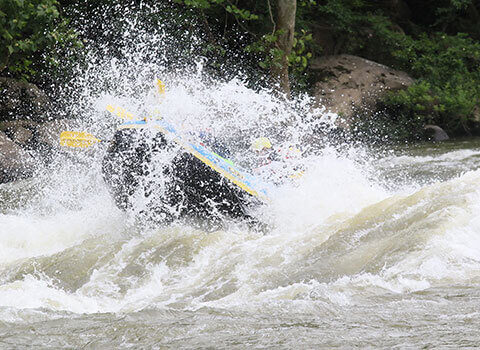

A New River Gorge multi-day rafting trip offers something that a single afternoon on the water simply cannot: the chance to settle into the rhythm of a river, wake up to the sound of moving water, and experience a stretch of West Virginia wilderness at a measured pace.
This guide is written for paddlers who are seriously considering a multi-day trip and want a clear picture of what these experiences involve. Whether you have some rafting background or are approaching whitewater for the first time, understanding the structure, logistics, and expectations of a multi-day trip will help you arrive prepared.
OVERVIEW
What Is a Multi-Day Rafting Trip?
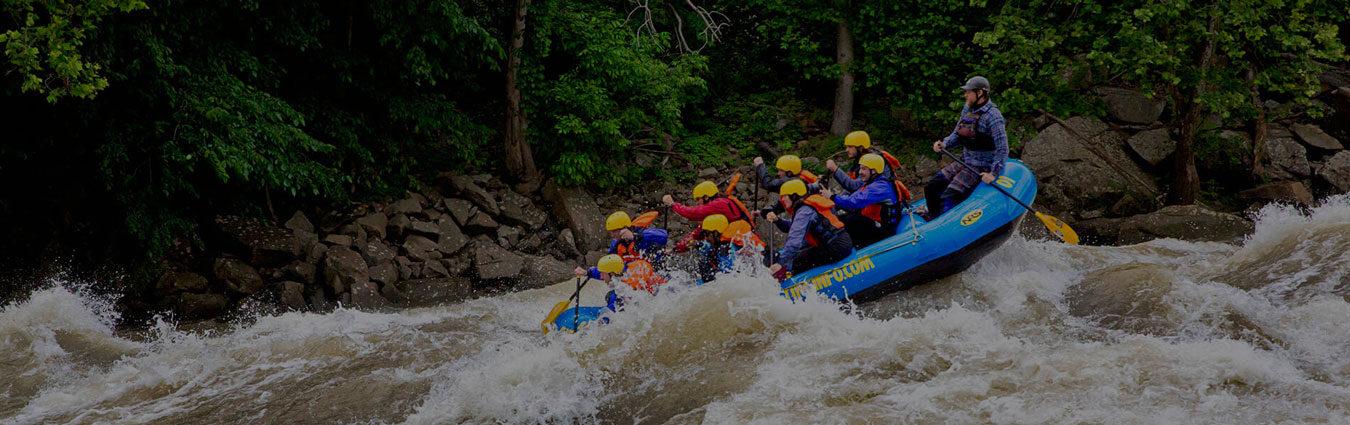
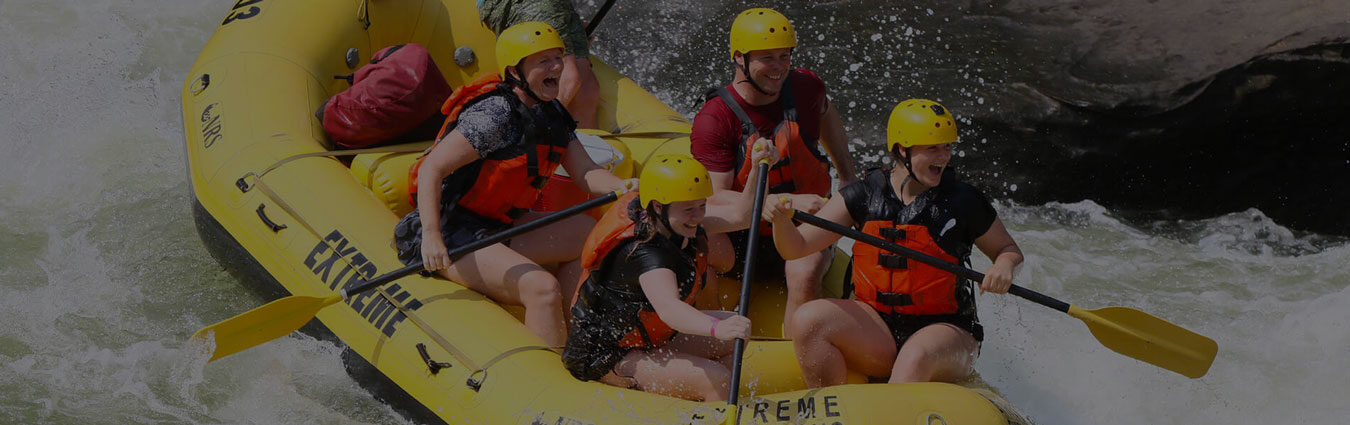
A multi-day rafting trip is an extended guided river experience that spans two or more days. Unlike a standard single-day excursion, these trips incorporate camping or lodging along the river corridor, giving participants the opportunity to cover more of the river, spend time away from roads and infrastructure, and experience the full arc of a guided river journey.
Most multi-day trips follow a structured itinerary managed by a licensed outfitter. Guides handle logistics, meals, safety briefings, and camp setup, while guests focus on paddling, exploring, and adjusting to the pace of river travel.
How Multi-Day Rafting Differs from a Single-Day Trip
On a single-day trip, the experience is self-contained: you arrive, paddle, and return to your vehicle by afternoon. Mutli-day rafting introduces a different kind of engagement.
You carry gear on or alongside the rafts. Evenings are spent at a riverside campsite or lodge. Mornings begin on the water again. The extended timeline allows guides to cover stretches of river that are inaccessible on a day trip and gives participants time to absorb the environment rather than rush through it.
Multi-day whitewater rafting also tends to attract a different kind of participant. The added commitment filters toward people who are genuinely interested in the experience, which typically creates a more cohesive group dynamic on the water and around camp.
DESTINATION
Why Choose the New River Gorge for Multi-Day Rafting
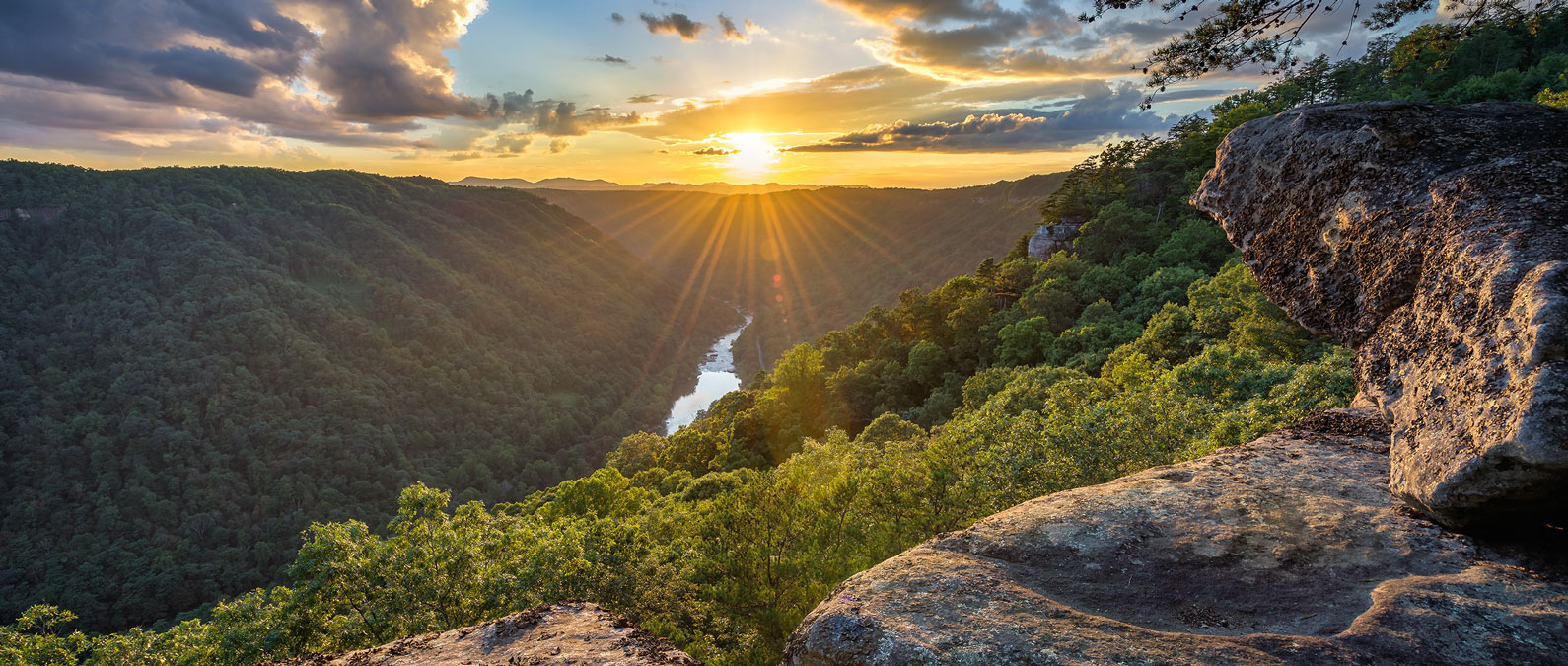
The New River Gorge is one of the most well-established whitewater destinations in the eastern United States. The river runs through a deeply cut gorge in southern West Virginia, and its lower section is designated as part of New River Gorge National Park and Preserve.
The River Structure
The New River offers two distinct sections that outfitters typically draw from for multi-day trips. The upper section is characterized by broader water, moderate gradient, and a more forgiving character suitable for participants with limited experience. The lower gorge offers a bit more of a challenge with rapids and drops, but it is still suitable for beginners and families alike.
This range makes the New River Gorge one of the more flexible destinations for New River Gorge rafting trips. Outfitters can build itineraries that incorporate both sections, starting on accessible water and progressing to more challenging terrain as participants develop confidence.
The Setting
The gorge walls rise several hundred feet above the river, and the corridor is heavily forested. Development within the gorge itself is minimal, which gives multi-day participants the experience of genuine backcountry travel even though the region is well-serviced by outfitters and relatively accessible from major cities in the mid-Atlantic and Southeast.
Wildlife sightings along the river are common, and the geological character of the gorge, sandstone cliffs, exposed rock faces, and clear tributary streams, adds visual interest throughout the trip.
ON THE WATER
What to Expect on an Multi-Day Rafting Trip
Understanding the general structure of a multi-day trip reduces uncertainty and helps you show up with realistic expectations.
Daily Schedule
Most multi-day rafting itineraries follow a similar cadence. Mornings typically begin with breakfast at camp, followed by a gear breakdown, safety check, and time on the water by mid-morning. Afternoons involve active paddling with periodic stops for lunch, rest, or short hikes. Camps are usually established by late afternoon, leaving time for a meal and rest before the next day.
Guides set the pace, and most outfitters build in flexibility to accommodate weather, water levels, or group dynamics. Itineraries are not rigid to the minute, and guides adjust based on conditions.
Camp Setup and Meals
On most guided multi-day whitewater rafting trips, outfitters manage camp logistics. Guides typically handle tent setup (or provide platforms/structures if riverside lodges are used), prepare all meals, and manage waste under Leave No Trace principles.
Meals on well-run trips are more substantial than many first-time participants expect. Dinner at a riverside camp often includes grilled proteins, vegetables, and starches, with breakfast covering hot options like eggs, oatmeal, or pancakes. If you have specific dietary needs, note them well in advance during booking.
Guide Involvement and Group Dynamics
Your guides are licensed professionals trained in river reading, first aid, and group management. On a multi-day trip, they take on a broader role than on a day trip, managing logistics, reading weather, and setting the tone for the group across multiple days.
Group size on multi-day trips is typically smaller than on large single-day operations, which tends to create a more personable experience. Most participants find that the shared environment of riverside camping builds familiarity within the group fairly quickly.
PREPARATION
Multi-Day Rafting Packing List
Packing appropriately for a multi-day rafting trip requires some planning. Most outfitters provide core equipment like personal flotation devices (PFDs), helmets, wetsuits or splash gear, and paddle equipment. Confirm what your outfitter includes before you prepare your personal gear.
Clothing
- Moisture-wicking base layers (synthetic or wool, not cotton)
- Lightweight fleece or mid-layer for evenings
- Quick-dry shorts or pants for on-water use
- Water shoes or sandals with secure straps (no flip-flops)
- Sun hat and sunglasses with a retention strap
- Rain jacket or windbreaker
- Change of dry clothes for camp each evening
Personal Items
- Sunscreen (reef-safe if available, applied before launch)
- Personal medications in a waterproof container
- Lip balm with SPF
- Insect repellent
- Small dry bag for valuables (phone, wallet, keys)
- Headlamp with fresh batteries
- Personal water bottle (outfitters typically provide filtered water)
Camping Essentials (If Not Provided)
Check with your outfitter on what camping gear they supply. Many provide tents, sleeping bags, and sleeping pads for multi-day rafting trips. If you are expected to bring your own:
- Sleeping bag rated for overnight temperatures (West Virginia nights can be cool even in summer)
- Lightweight sleeping pad
- Small pillow or compressible stuff sack
- Toiletries in minimal quantities (toothbrush, biodegradable soap)
ACCOMMODATIONS
Lodging and Camping Options
Overnight rafting in the New River Gorge typically falls into one of two formats: riverside camping or lodge-based accommodations.
Riverside Camping
The traditional format involves camping at designated sites within or adjacent to the gorge. Outfitters typically manage these sites under National Park Service guidelines. Participants sleep in tents and spend evenings around a campfire. This is the more immersive for an overnight family trip.
Lodge or Base Camp Options
Some outfitters in the Fayetteville area operate lodge-style base camps where participants sleep in bunkhouses or cabins rather than tents. This can be a practical option for those who prefer a more structured New River Gorge multi-day trip without sacrificing time on the water. Meals and logistics are still handled by guides.
Pre- and Post-Trip Lodging
Fayetteville and the surrounding New River Gorge area have a range of hotels, bed and breakfasts, and vacation rentals. If you are traveling from a significant distance, arriving the night before your trip launch date is generally advisable, as most outfitters require early morning check-ins.
LOGISTICS
Planning and Logistics
Best Times of Year
The New River runs year-round, but most multi-day trips operate from late spring through early fall. May through June typically brings higher water from snowmelt and spring precipitation, which affects the character and intensity of rapids. Summer months offer warmer air and water temperatures, making them popular for first-time multi-day participants. Multi-day trips on the Gauley River in the Fall brings lower, clearer water and foliage color, which many experienced paddlers prefer.
Trip Length Options
Most outfitters offer two- and three-day multi-day packages on the New River. Two-day trips are the most common entry point and provide enough time to cover meaningful water, camp one night, and return without requiring extended time away. Three-day trips allow for a slower pace and typically incorporate more of the river corridor.
Booking Considerations
Multi-day trips book up earlier than single-day options, particularly for popular summer weekends. Booking four to eight weeks in advance is advisable during peak season. Most outfitters require a deposit at the time of booking and have specific cancellation policies worth reviewing before you confirm.
Group bookings (families, friend groups, corporate outings) are common on these trips. If you are booking for a larger party, inquire about group minimums and whether private departures are available.
Physical Requirements
Multi-day rafting trips require a moderate level of physical readiness. Participants should be comfortable sitting in a raft for several hours, paddling on instruction, and navigating in and out of a raft in moving water. Basic swimming ability and comfort in water are generally expected.
Most outfitters publish specific requirements around age minimums, weight limits for certain equipment, and health considerations. Review these carefully before booking, and contact the outfitter directly if you have questions about specific conditions or limitations.
COMMON QUESTIONS
Common Questions About Multi-Day Rafting
Do I need prior rafting experience?
Not for most beginner-to-intermediate multi-day trips. Outfitters offering upper New River packages or mixed itineraries typically accept participants with no prior rafting background. Before booking a lower gorge trip, which includes Class IV and V rapids, outfitters generally recommend or require some prior river experience. Ask your outfitter directly about their recommended experience level for the specific itinerary you are considering.
What happens in bad weather?
Outfitters monitor weather and river conditions continuously. Light rain does not typically cancel or significantly alter a trip. Thunderstorms may result in brief holds on the water until conditions improve. In cases of sustained severe weather or significantly elevated water levels, outfitters have protocols in place and will communicate any changes to participants directly. Asking your outfitter about their weather policy before your trip is a reasonable step.
How are meals handled?
On guided multi-day trips, outfitters typically provide all meals starting with dinner on the first night and concluding with breakfast on the final day. Meals are prepared by guides at camp using organized kitchen systems. Most outfitters are experienced at producing full meals in backcountry conditions. Bring snacks if you graze throughout the day, as formal meal times may not align with every participant’s preferences.
What if I have dietary restrictions?
Most outfitters accommodate common dietary restrictions including vegetarian, vegan, and gluten-free needs when given advance notice. Disclose any dietary requirements at the time of booking and confirm again closer to your departure date. Severe food allergies should be discussed in detail with your outfitter before you commit to a trip, as backcountry kitchen conditions may present limitations.
What should I leave at home?
Keep personal gear to a minimum. Space in dry bags and on rafts is shared across the group. Valuables, fragile electronics, and anything that cannot get wet should either stay at home or be secured in a dedicated dry bag. Most outfitters advise against bringing glass containers. Alcohol policies vary by outfitter and should be confirmed in advance.
NEXT STEPS
A Well-Prepared Trip Is a Better Trip
Multi-day rafting in the New River Gorge is a genuinely rewarding experience, but it is one that rewards preparation. Participants who arrive knowing what to expect, what to bring, and how the structure of the trip works tend to settle in more quickly and get more out of the days on the water.
The New River Gorge has the infrastructure, the professional outfitter community, and the river character to support a wide range of multi-day trips. Whether you are planning a two-day introduction to overnight rafting or a longer whitewater progression, the foundation for a solid experience is knowing the logistics before you arrive.
Take the time to review your outfitter’s preparation materials, ask questions before you book, and pack thoughtfully. Those steps, more than any other variable, shape how a multi-day trip goes.
Browse multi-day rafting trips on the New River Gorge and find the itinerary that fits your group.